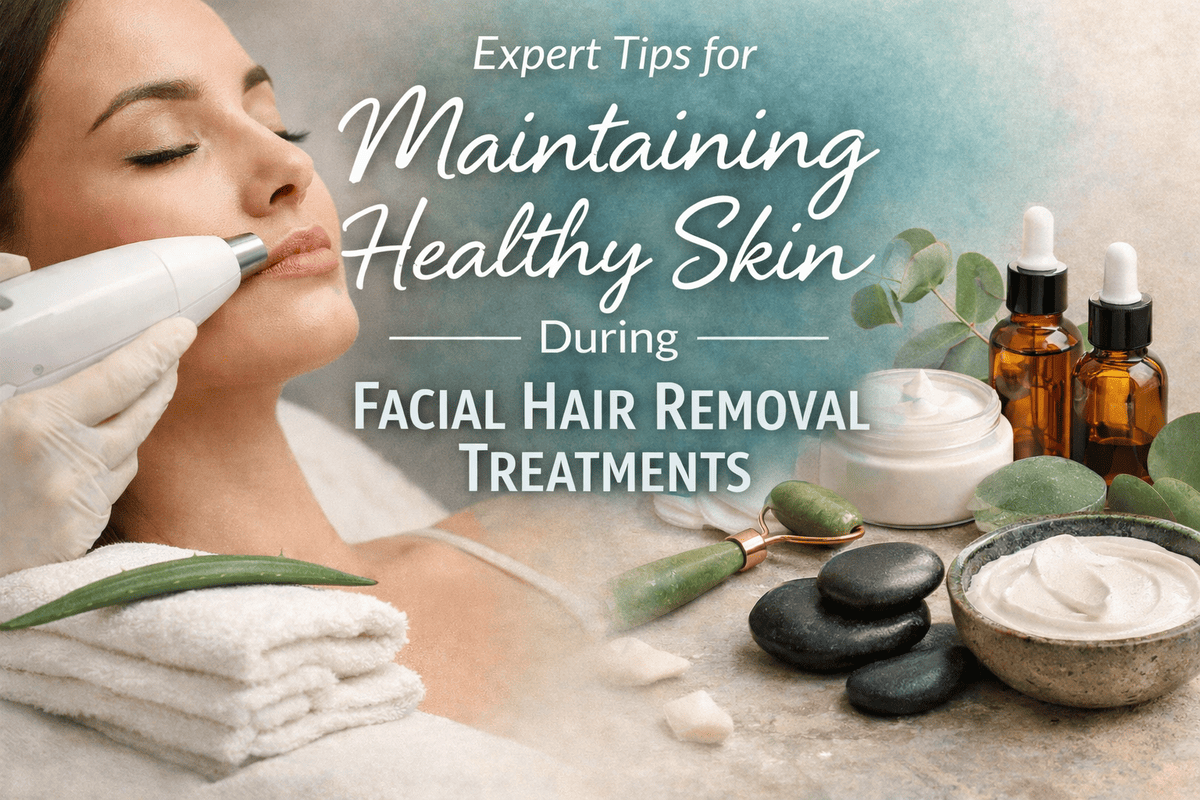
Facial hair removal is a common part of many skincare routines, but it can easily lead to irritation, breakouts, or sensitivity if not handled correctly. Whether you choose waxing, threading, shaving, or laser treatments, your skin needs proper care at every stage.
This guide provides practical, expert-level tips to help you protect your skin barrier, reduce side effects, and maintain smooth, healthy skin throughout your facial hair removal routine.
Why Skin Care Is Crucial During Facial Hair Removal
Facial skin is delicate and more reactive compared to other areas of the body. Hair removal treatments often involve friction, heat, or pulling, which can:
- Disrupt the skin barrier
- Cause inflammation and redness
- Trigger post-inflammatory hyperpigmentation
- Lead to ingrown hairs and breakouts
Because of this, maintaining proper skincare before and after treatments is not optional—it directly impacts your results and skin health.
Pre-Treatment Preparation: Setting Your Skin Up for Success
Preparing your skin properly reduces the risk of irritation and improves the effectiveness of hair removal.
Cleanse and Reset Your Skin
Start with a gentle cleanser to remove oil, dirt, and makeup. This ensures a clean surface and reduces the chances of clogged pores or infection during treatment.
Avoid Active Ingredients Before Treatment
At least 24–48 hours before your session, avoid:
- Retinoids
- AHAs and BHAs
- Benzoyl peroxide
- Strong vitamin C formulas
These ingredients can increase skin sensitivity, making your skin more prone to irritation or even burns during treatments like waxing or laser.
Exfoliate Strategically
Exfoliation helps remove dead skin cells and allows for better hair removal. However, timing matters.
- Exfoliate 1–2 days before treatment
- Avoid exfoliating on the same day
- Use mild exfoliants instead of harsh scrubs
Keep Skin Hydrated
Hydrated skin is more resilient and less likely to become irritated. Use a lightweight moisturizer that supports your skin barrier without clogging pores.
Choosing the Right Facial Hair Removal Method
Not every method suits every skin type. Selecting the wrong one can lead to long-term skin issues.
For Sensitive Skin
- Threading is precise and avoids chemicals
- Dermaplaning is gentle when done correctly
Avoid hot wax or aggressive treatments that can trigger inflammation.
For Acne-Prone Skin
- Laser hair removal (with professional guidance) is often effective
- Shaving with clean, sharp tools is safer than waxing
Avoid waxing over active acne, as it can rupture the skin and spread bacteria.
For Dry Skin
- Sugaring is less harsh than traditional waxing
- Use hydrating shaving creams to reduce friction
Focus on maintaining moisture before and after treatment.
For Normal or Combination Skin
Most methods are suitable, but consistency in aftercare is key to preventing irritation or uneven texture.
During the Treatment: Minimizing Skin Stress
What happens during the session plays a big role in how your skin reacts afterward.
Key Practices to Follow
- Ensure tools are sanitized and hygienic
- Avoid repeated passes over the same area
- Use appropriate technique based on your skin type
- Communicate discomfort immediately
Over-processing the same area can strip the skin barrier and cause micro-damage, which leads to redness and sensitivity.
Post-Treatment Care: Protecting and Repairing Your Skin
This is the most critical phase for maintaining healthy skin during facial hair removal treatments. Proper aftercare determines how quickly your skin recovers and how good your results look.
Immediate Aftercare Steps
Right after treatment, your focus should be on calming and protecting the skin.
- Apply soothing ingredients like aloe vera or panthenol
- Use fragrance-free, gentle products
- Avoid touching the treated area
Avoid Heat and Friction
For at least 24 hours, avoid:
- Hot showers and steam
- Saunas and workouts
- Tight clothing or friction around the face
Heat increases inflammation and can worsen redness or sensitivity.
Keep Your Routine Simple
Stick to basic skincare:
- Gentle cleanser
- Barrier-repair moisturizer
- Sunscreen during the day
Avoid introducing new or active products immediately after treatment.
Preventing Common Skin Issues After Hair Removal
Even with proper care, some issues can still occur. The key is prevention and early management.
Ingrown Hairs
Ingrown hairs develop when hair grows back into the skin.
How to prevent them:
- Resume gentle exfoliation after 48–72 hours
- Use salicylic acid in low concentrations
- Keep pores clean and unclogged
Redness and Irritation
Temporary redness is normal, but it should not persist.
What helps:
- Cold compresses
- Calming skincare ingredients
- Avoiding harsh products
Breakouts
Hair removal can trigger acne if bacteria enters open pores.
To reduce breakouts:
- Avoid heavy or oily products
- Keep your skin clean
- Do not touch or pick the area
Hyperpigmentation
Dark spots can form due to irritation or sun exposure.
Prevention tips:
- Apply sunscreen daily (SPF 30 or higher)
- Avoid direct sun exposure after treatment
- Use niacinamide after recovery
Recommended Skincare Routine After Facial Hair Removal
A structured routine helps your skin recover faster and prevents complications.
Morning Routine
- Gentle cleanser
- Lightweight hydrating serum (optional)
- Moisturizer
- Broad-spectrum sunscreen
Night Routine
- Gentle cleanser
- Barrier-repair moisturizer
Avoid active ingredients for at least 1–2 days, especially if your skin feels sensitive.
Professional vs. At-Home Hair Removal
Choosing between professional services and at-home methods depends on your skin type, experience, and desired results.
Professional Treatments
Advantages:
- Better hygiene standards
- Expert technique reduces risk
- Suitable for sensitive or reactive skin
Best for:
- Laser treatments
- Waxing for beginners
- Sensitive skin types
At-Home Methods
Advantages:
- Convenient and cost-effective
- Easy to maintain routine
Risks:
- Incorrect technique can damage skin
- Higher chance of irritation or cuts
Proper tools, hygiene, and technique are essential when doing hair removal at home.
Key Do’s and Don’ts for Healthy Skin
Do’s
- Prepare your skin before treatment
- Use soothing and hydrating products
- Follow a simple post-treatment routine
- Protect your skin with sunscreen daily
Don’ts
- Avoid harsh skincare before and after treatment
- Do not combine multiple hair removal methods
- Avoid touching or picking treated areas
- Do not ignore prolonged irritation
Conclusion
Maintaining healthy skin during facial hair removal treatments requires a balanced approach—proper preparation, careful technique, and consistent aftercare. When you follow the right steps, you reduce irritation, prevent long-term damage, and achieve smoother, clearer skin.
Book your appointment at Modern Salon By Sabrina today and let our experts ensure safe, smooth, and skin-friendly facial hair removal tailored to your needs.
Frequently Asked Questions
1. How soon can I use active skincare after facial hair removal?
Wait at least 24–48 hours before using actives like retinoids or acids.
2. Can I exfoliate immediately after hair removal?
No, wait 2–3 days to prevent irritation.
3. Why does my skin feel sensitive after hair removal?
The process temporarily weakens your skin barrier, making it more reactive.
4. Is shaving better than waxing for sensitive skin?
In many cases, yes—if done properly with clean tools and lubrication.
5. How can I prevent dark spots after hair removal?
Use sunscreen daily and avoid sun exposure during the recovery period.6. Can I apply makeup after treatment?
It’s best to wait at least 24 hours to avoid clogging pores.